Visibility
Are signs, signposts and orientation aids noticed at the moment of use?
EYE TRACKING
We investigate how people find their way in buildings and outdoor areas — and whether signs, information and decision points genuinely support them.
A wayfinding system works only when it is noticed and understood at the right moment. With mobile eye tracking, we analyse gaze paths in real settings: what is seen, missed or misunderstood? Where does uncertainty arise? And what information is missing at a decision point?
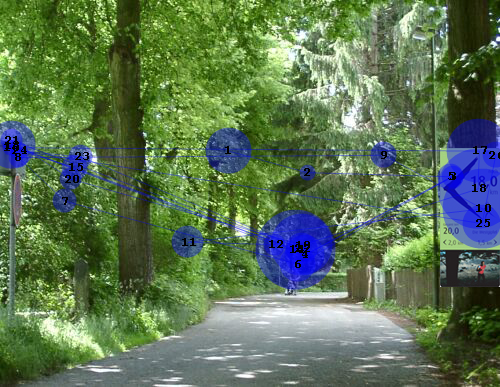
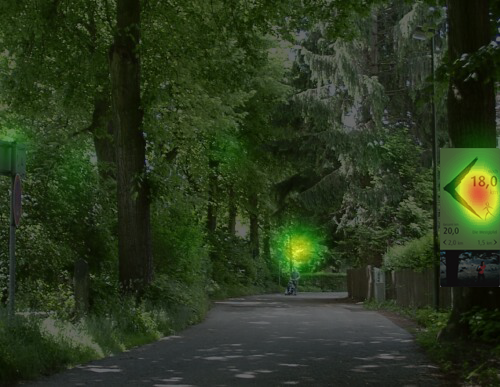

Are signs, signposts and orientation aids noticed at the moment of use?
Are terms, symbols, colours and destinations clear and quickly understood?
Is information located where people need it for their next decision?
Do visitors reach their destination independently and without unnecessary detours?
Do architecture, signage, digital information and staff work together meaningfully?
Airports, stations, museums, shopping centres, public buildings, educational institutions, parks, zoos and tourist sites.
Which prompts are missing? Which signs are discovered too late? Which destinations are not clearly marked? Where do avoidable questions arise?
Participants move through the real environment wearing mobile eye-tracking glasses and complete typical orientation tasks. An experienced moderator supports the study with brief questions before, during or after the walk-through. Gaze data are combined with observation and interview.
You receive a comprehensible analysis of problem areas and prioritised recommendations for signage, positioning, wording, colour-coding systems and other orientation aids. This makes clear which improvements will noticeably ease wayfinding.